Sound Healing: Science, Benefits, and How Frequency Affects the Mind and Body
Across cultures and centuries, sound has been used as a tool for relaxation, focus, and ritual. Sound Healing has become popular in recent years as a structured wellness approach in which tones, frequencies, and vibration are used to promote mental and physical balance. Across meditation space and yoga centers as well as clinical research settings where music and the study of acoustics are the subjects under investigation, the role of sound on human biology remains an increasingly popular topic.
This article will discuss what sound healing is, the science of how frequency communicates with the body, the benefits of it that are regularly mentioned, and the responsible practice of it in the contemporary context.
What Is Sound Healing?
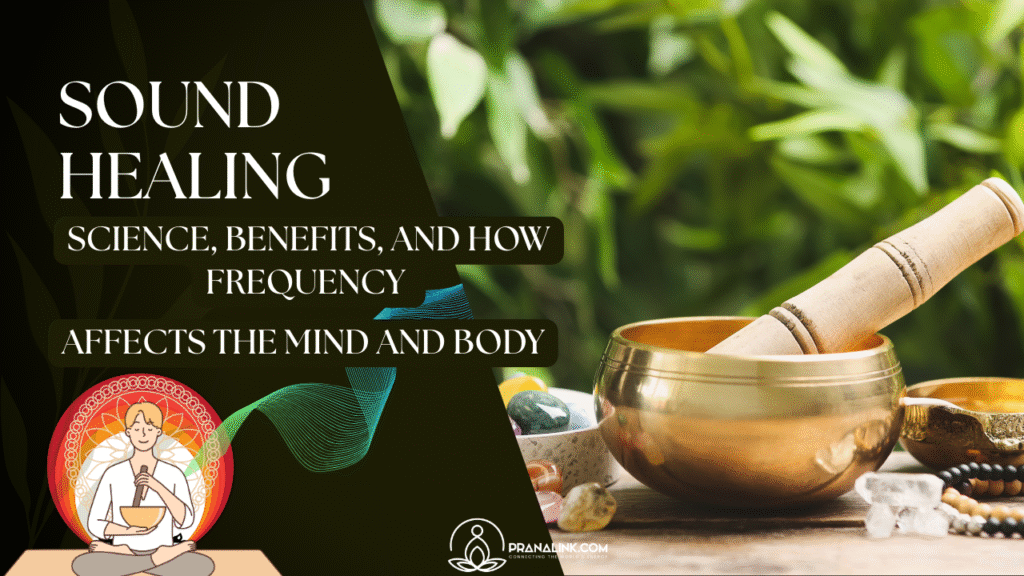
Sound Healing is a purposeful sound implementation of sound frequencies, tones, rhythm and vibration to achieve relaxation and well-being. It may use instruments like singing bowls, tuning forks, gongs, chimes, drums, or recorded frequency-based sound.
unlike entertainment music, Sound Healing sessions are normally organized in certain tonal pattern and sustained frequencies that tend to promote calmness and focused awareness. The practice does not include drugs or physical procedures. Rather, it depends on the acoustic stimulation and the natural reaction of body to the vibration.
Sound Healing has been viewed as another addition to wellness and not a replacement of medical care.
The Science of Sound and Frequency
Sound is a mechanical vibration which passes through air, water, and solid material in the form of wave. The waves are quantified in Hertz (Hz), which means cycles per second. Human body is very sensitive to vibration since tissues, fluids and cells transmit mechanical energy.
Acoustics and neuroscience research has demonstrated that sound can influence the brainwave, heart rate, and the rhythm of breathing. Indicatively, slow and gradual tones can elicit the effect of relaxation, whereas the rhythmic drumming can be used to enhance attention.
Brainwave entrainment is one of the most popular mechanisms in Sound Healing. This happens when the repetitive sound signals affect neural oscillations, which may stimulate the brain to move to relaxation or concentration state.
It’s crucial to differentiate between measurable acoustic effect and the broader wellness interpretations.
Scientifically sound influences the nervous system and physiological rhythms. Holistic views can explain such effects in terms of affecting subtle or energetic balance.
How Frequency Affects the Mind
The brain naturally operates across different frequency ranges. For example:
- Beta waves are associated with alert thinking.
- Alpha waves are linked to relaxed awareness.
- Theta waves are often present during deep relaxation or meditation.
Sound Healing sessions often incorporate repetitive rhythms or tones that can promote alpha or theta states. Research has also indicated that certain frequencies and tempos can regulate mood, perceived stress and focus as a result of a music therapy and auditory stimulation.
Low-frequency rhythmic sound is also researched on its effects of emotional regulation and cognitive clarity. Although further studies are still being undertaken, there are indications that sound can contribute to the effect of relaxation of the mind and balance in attention.
How Frequency Affects the Body
The body is made up mostly of water and soft tissue which are both conductive to vibration. When exposed to continuous sound waves, slight mechanical vibrations take place all over the body.
Research has shown that the calming sound environments can influence:
- Breathing patterns
- Heart rate variability
- Muscle tension
- Stress-related hormone activity
Some practitioners refer this as vibrational alignment. In scientific terms, it is a regulation of the nervous system by using sensory input. Breathing at a slow tonal rate can be in favor of parasympathetic stimulation -relaxation of the body.
more importantly, Sound Healing has no ionizing radiation and does not alter the structure of tissue. Its effects are connected with acoustic stimulation and neurological response.
Instruments Used in Sound Healing.
Different instruments have different tonal qualities and frequencies. Singing bowls generate harmonic tones that are lasting. Tuning forks produce specific frequencies that are frequently used in the area of the body. Gongs create multi-layered vibration ranges of sound. Drums highlight rhythm and entrainment.
Modern Sound Healing can also use digitally generated frequencies, which are also aimed at consistency and clearness. Whichever instrument is used, the intention is normally to produce a sound experience that is highly immersive to the listener and which promotes relaxation and self-awareness.
Reported Benefits of Sound Healing
Individuals who engage in Sound Healing frequently report relaxation, mental clarity and emotional balance. Sound-related research proposes that it is related to:
- Reduced perceived stress
- Enhanced mood stability
- Improved focus
- Better sleep quality in some individuals
Since stress affects numerous areas of everyday life, relaxation-promoting practices can have an indirect effect on general well-being. But Sound Healing is not supposed to be curative but supportive.
Sound Healing and Energy Perspectives
Sound Healing is sometimes described in holistic wellness traditions as affecting the energy systems of the body. These interpretations are different in different cultures and are commonly theoretical frameworks of seeing balance and harmony.
Scientifically, the acoustic vibration that is quantifiable will communicate with the nervous system and physical rhythms. While the language differs, the two perspectives acknowledge that sound affects human experience in terms of vibration and resonance.
Being clear on the scientific evidence and holistic interpretation will make the communication responsible and globally appropriate.
What a Typical Sound Healing Session Looks Like
A session normally occurs in a quiet location whereby the orators sit or lie at ease. The practitioner presents longer tones, rhythms or over-laying harmonics within a span of between 20-60 minutes.
The subjects are advised to concentrate on breathing and leave their minds to concentrate on the sound. It is an experience which is not active; it does not demand any special skill. The session is described by many as incredibly relaxing.
Hydration and quiet reflection afterward are commonly recommended.
Safety and Responsible Use
Sound Healing is considered to be low risk when the sound is played at the safe volume levels. Just like with any audio set-up, one should not expose themselves to overly loud sound.
People who are sensitive to hearing or have some neurological disorders are advised to consult respective professionals before participating. Sound Healing is not meant to substitute medical or psychological care when it is required.
Global Growth and Modern Applications
The popularity of Sound Healing in the world indicates the general preference of non-invasive methods of wellness. It has now been made a part of meditation centers, corporate wellness, yoga classes and stress-management workshops.
Scientific studies are ongoing to investigate acoustic therapy, music therapy, and frequency-based action, and this information is adding to an expanding body of evidence regarding the interaction of sound with the human body.
Conclusion
Sound Healing is a structured wellness practice where sound frequencies and vibration are applied with deliberate intent to help in relaxation, mental clarity and emotional balance. Scientifically, sound affects the activities of the brainwaves and the nervous system and physiological rhythms. This process has been explained by holistic viewpoints as resonance and energetic harmony. Sound Healing is not a form of medical treatment, but it is a complementary practice that has a place in the modern interest in reducing stress and living mindfully. Knowledge as to the acoustic science and the experiential enables people to investigate the Sound Healing in a responsible and informed manner.
Frequently Asked Question
- What is Sound Healing?
Sound Healing is a wellness practice that involves the application of specific tones and frequencies to encourage relaxation and overall mental and physical wellness.
- Is there scientific evidence behind Sound Healing?
research on neuroscience and music therapy indicates that music can influence mood, concentration, and relaxation. The further possible uses of it are still under investigation.
- Will Sound Healing Help in the treatment of medical conditions?
Sound healing through relaxation and resonance can be used as an adjunct to professional medical treatment
- What instruments are used in Sound Healing?
Such common instruments are the singing bowls, tuning forks, gongs, drums, and frequency-based audio recordings.
- Is Sound Healing safe?
When performed in safe sounds it is generally assumed to be low risk. Those who are sensitive to hearing ought to make precautions.
- How long does a session usually last?
The length of the session is usually between 20 and 60 minutes, depending on the location and the aim of the session.