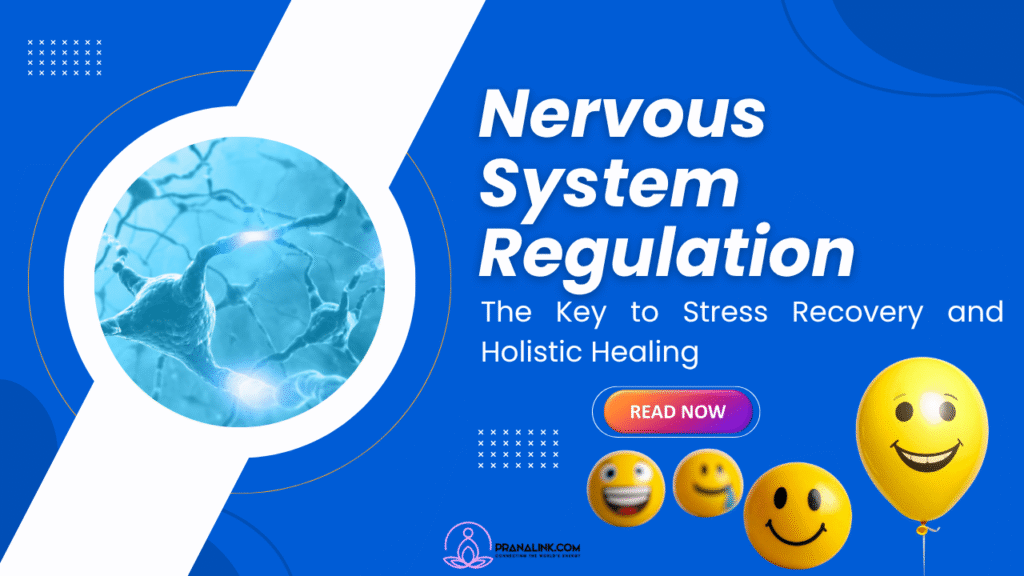
Nervous System Regulation: The Key to Stress Recovery and Holistic Healing
In today’s fast-paced world, chronic stress has become a serious concern. It is one of the pillars of contemporary wellness, neuroscience, and whole-body health. In this article, we discuss some practical, science-supported measures for nervous system regulation. These strategies can transform your well-being. As well, find materials and resources to assist you. Learn more about our approach to wellness at Pranalink
Understanding how you can make your nervous system react to stress, and to support it, can make you more resilient, recover faster, and be well in the long term. we’ll cover the science, key mechanisms, emerging technologies, nutrition, and practical methods for nervous system regulation. Let’s dive in. Get our free nervous system regulation checklist.
What Is Nervous System Regulation?
Nervous System Regulation is the ability of the body to create balance between the activation (stress response) and relaxation (restoration response). The autonomic nervous system governs these processes through two primary branches:
- The sympathetic nervous system, which controls alertness and the fight-or-flight response.
- The parasympathetic nervous system, which is linked to rest, digestion, and recovery.
Effective Nervous System Regulation implies that these systems adapt to context. In healthy functioning, the process of activation occurs during a challenge, and then returns to calmness after the situation is resolved.
Why Nervous System Regulation Matters
In chronic stress, the nervous system can remain in a long-term state of activation. In the long term, this imbalance can affect sleep patterns, emotional stability, concentration, and physical comfort.
Research on stress physiology indicates that chronic sympathetic activation influences cortisol levels, heart rate variability, and inflammatory signaling. Promoting Nervous System Regulation helps restore balance and cope with daily stressors.
Regulation does not work to alleviate stress but rather enhances adaptability and resilience.
The Science Behind Stress and Recovery
The nervous system continuously checks the external and internal signals. When one feels threatened, stress hormones are released, heart rate speeds up, and attention becomes sharper. It is a required defense mechanism.
However, modern stressors—such as workload pressures, digital overstimulation, and social demands—can activate this system repeatedly without physical resolution.
The nervous system regulates functions by promoting parasympathetic interaction. Research shows that practices supporting relaxation may:
- Improve heart rate variability
- Reduce perceived stress levels.
- Enhance emotional regulation
- Support sleep quality
Signs of Dysregulation
Individuals often want to learn more about Nervous System Regulation when experiencing symptoms such as constant tension, irritability, difficulty concentrating, or broken sleep.
Difficulty switching off, emotional reactivity, and fatigue despite rest may be signs of an imbalance between activation and recovery mechanisms.
Timely identification of these signs will enable stress to be handled proactively.
Methods That Support Nervous System Regulation
There are a few evidence-based practices that are commonly linked to Nervous System Regulation. These methods aim to gradually shift the body into a state of balance without invasive intervention.
One of the most available tools is breathwork. Slow, controlled breathing can change vagal tone, an essential part of parasympathetic activity. Research indicates that extending the exhale period of the breathing process can be helpful for relaxation.
Meditative and mindfulness exercises decrease cognitive processes of stress and promote emotional clarity. Daily practice has been linked to better stress resilience and increased neural connectivity within attention and control domains.
It is also important in physical movement. Moderate exercise is beneficial for circulation and muscular strain, and it helps the nervous system overcome stress cycles.
Sleep, a nutritious diet, and natural light help maintain circadian stability, a factor in the general Nervous System Regulation.
The Role of the Vagus Nerve
One of the main components of the parasympathetic system is the vagus nerve, which is a key part of Nervous System Regulation. It is linked to the brain with other organs such as the heart, lungs, and digestive tract.
Greater vagal tone has been linked to greater emotional flexibility and better emotional control. Controlled breathing, soft vocalization, and relaxation exercises are techniques frequently discussed as associated with vagal support.
Understanding this relationship helps explain why simple practices may have measurable physiological impacts.
Nervous System Regulation and Holistic Healing
The presence of mind and body is common in the holistic wellness frameworks. In this view, Nervous System Regulation is like a mediator between emotional experience and physical state.
While holistic language may refer to energy or balance, scientific interpretation focuses on neural communication, hormonal shifts, and physiological rhythm.
Having a balanced nervous system can make people feel clearer, with a mood that is more stable, and they recover more quickly when stressed.
Modern Lifestyle and Nervous System Overload
Technology, constant notifications, and unpredictable routines lead to ongoing stimulation. Patterns of the nervous system can be affected by exposure to blue light at night, physical immobility, and the lack of face-to-face interaction.
Supporting Nervous System Regulation in the modern setting could entail:
- Establishing consistent sleep routines
- Limiting overstimulation before bedtime
- Spending time outdoors
- Practicing intentional pauses during the day
Minor changes can produce significant changes in the long run.
Emerging Technologies and Holistic Approaches to Support Nervous System Regulation
Besides other practices like breathing techniques, meditation, physical movement, and restorative sleep, some people are exploring new technologies to support relaxation and stress recovery. An increasing number of devices in the wellness technology field use environmental signals such as vibration, subtleelectromagnetic patterns, or sensory cues to create conditions that may promote more relaxed physiological states.
These technologies are commonly referred to as energy-based or frequency-oriented, and are being investigated by individuals interested in how environmental cues interact with the body’s stress response mechanisms. Although scientific investigation into some of these fields is still developing, the creation of these tools indicates growing interest in the connection between environmental cues and Nervous System Regulation.
Most people who use these devices complement them with their existing relaxation methods, such as meditation, breathing exercises, or silent contemplation. These technologies are not intended to replace conventional stress management methods but are usually considered supportive devices that can help create environments conducive to relaxation and recovery.
Energy-Field and Frequency-Based Devices
One group of technologies currently being explored involves devices designed to emit subtle energy patterns or frequency signals. Such devices are occasionally referred to as energy-field or scalar-based devices in wellness technology.
As an example, people are testing a small wearable gadget, the Aha Halo, invented by Aha Harmony. The developer states that the device produces scalar energy patterns and has a number of programmed modes which are designed to aid relaxation and mental clarity. The device is usually worn by users or kept close to them, as it operates passively during their day-to-day activities.
The other devices in the wider category include technologies such as Healy, which offers frequency programs for personal wellness, and Leela Quantum Bloc, which is said to interact with the energy fields in the environment. Individuals using these tools tend to include them in relaxation programs, meditation sessions, or quiet work environments.
Studies on subtle energy technologies and frequency interactions are still in their infancy; such devices are typically viewed as experimental wellness devices rather than medical therapies.
Biofeedback and Nervous Systems Monitoring devices.
Another set of technologies is used to monitor physiological signals, which indicate body responses to stress and recovery. These devices do not emit energy signals; rather, they provide insight into the body’s natural rhythms.
The most common indicators measured by biofeedback devices are heart rate variability (HRV), sleep quality, breathing patterns, and physical activity levels. HRV is especially significant because it indicates the nervous system’s adaptability between stress responses and recovery states.
Oura Ring, WHOOP strap, and Garmin wellness trackers are wearable technologies that enable people to monitor the patterns in sleep, stress, and recovery. These insights are used by many individuals to change lifestyle habits such as sleep routines, exercise, and mindfulness practices.
These tools can make people more aware of their physiological responses and help them understand how the nervous system regulation is affected by daily habits.
Sensory and Vibration-Based Relaxation Devices
Certain wellness technologies use sensory signals, such as vibration or sound, to support relaxation techniques. These devices can communicate with the nervous system using rhythmic signals that can stimulate lower breathing or calmer mental states.
For example, Apollo Neuro is a device that delivers gentle vibration patterns to help you feel relaxed and focused at work. The other product, Sensate, integrates sound vibrations with breathing exercises to assist relaxation practices.
These technologies are usually applied in meditation sessions, quiet rest periods, or focused work environments. Individuals who explore these tools typically use them during mindfulness sessions or other stress-management approaches.
Meditation and Brainwave Awareness Tools
Certain devices are designed to facilitate meditation by providing feedback on the level of mental activity or focus. These techniques will help people become more mindful and relaxed during meditation sessions.
For example, the Muse S headband tracks brainwave patterns during meditation and provides real-time audio feedback. Such devices can facilitate the formation of stable meditation practices by helping users notice when their attention shifts or distractions arise.
Technologies of this type are frequently used by people who want a clearer understanding of how their mental state develops during relaxation or meditation.
Nutrition and Nervous System Support
Nutrition is also significant in ensuring the healthy functioning of the nervous system, other than technology. The brain and nervous system need a very broad spectrum of nutrients to nourish communication among nerve cells and maintain balance throughout the entire system.
Minerals like magnesium play a role in nerve signaling and muscle relaxation, whereas B-complex vitamins help generate energy and support the healthy maintenance of nerve cells. Omega-3 fatty acids help maintain normal brain function and cell health.
Having a balanced diet with vegetables, healthy fats, whole foods, and sufficient protein will help stabilize the energy levels throughout the day. Normal blood sugar levels might help the body cope better with everyday stress.
Hydration is also crucial, since water facilitates circulation, cellular communication, and the general functioning of the nervous system. Supportive nutrition is a significant component of effective stress recovery when combined with restorative sleep, physical exercise, and stress-reducing practices.
Is Nervous System Regulation Equivalent to Therapy?
The Nervous System Regulation is not an alternative to a medical or psychological treatment. It is a complementary wellness approach focused on stress management and resilience.
People who experience clinical anxiety and depression, or traumatic disorder, must refer to licensed medical professionals. Regulation practices may be integrated alongside professional care when appropriate.
How Long Does It Take to Enhance Regulation?
The way people adapt is different. Some individuals experience a sense of calm immediately after performing breathing exercises or mindfulness practices. The Nervous System Regulation is usually developed over weeks or months, a long-term process.
Consistency and realistic expectations are essential.
Global Relevance and Cultural Perspectives
Breath control, meditation, rhythmic movement, and community rituals are traditional practices across cultures that have helped people recover from stress over the centuries. Neuroscience today is gaining acceptance of these traditions, as demonstrated by measurable physiological studies.
This combination of scientific knowledge and ancient practice underscores the importance of Nervous System Regulation in cultivating resilience and maintaining balance.
Conclusion
Nervous System Regulation is the key to stress recovery and holistic well-being. By learning how the sympathetic and parasympathetic systems interact, individuals can take positive steps to enhance emotional health, sleep quality, and mental clarity. Breathwork, mindfulness, movement, and lifestyle awareness make Nervous System Regulation a viable system of restoring the balance in the world of hard work. Although it is not a substitute for medical care, it acts as a pillar to contemporary stress management and whole-person-oriented healing systems.
Frequently Asked Questions (FAQs)
1. What is Nervous System Regulation?
The concept of Nervous System Regulation is a balancing of the nervous system to stress activation (fight-or-flight) and relaxation and recovery responses.
2. What is the importance of Nervous System Regulation?
Balanced regulation facilitates emotional regulation, enhanced stress recovery, increased sleep, and resilience.
3. What causes nervous system dysregulation?
Chronic stress, sleeping difficulties, overstimulation, trauma, and long-term emotional stress can cause imbalance.
4. What are energy devices for nervous system regulation?
They are wellness tools that use signals like vibration or frequency to support relaxation.
5. Can wearable devices help track nervous system health?
Yes. Some devices track sleep, heart-rate variability, and recovery patterns.
6. Are these wellness devices medical treatments?
No. They are generally used as supportive wellness tools, not medical treatments.
7. How can I support Nervous System Regulation naturally?
Slow breathing, mindfulness, regular exercise, good sleep, and avoidance of digital overload are among the practices that can assist in balance.
8. How long does it take to improve Nervous System Regulation?
Calming effects can be experienced soon, though in most cases, long-term results are possible only with regular practice.
9. Is Nervous System Regulation a medical treatment?
No. It is a stress management approach based on wellness and does not substitute for professional healthcare when necessary.