
Natural Materials in Wellness Returning to Simplicity, Connection, and Conscious Living
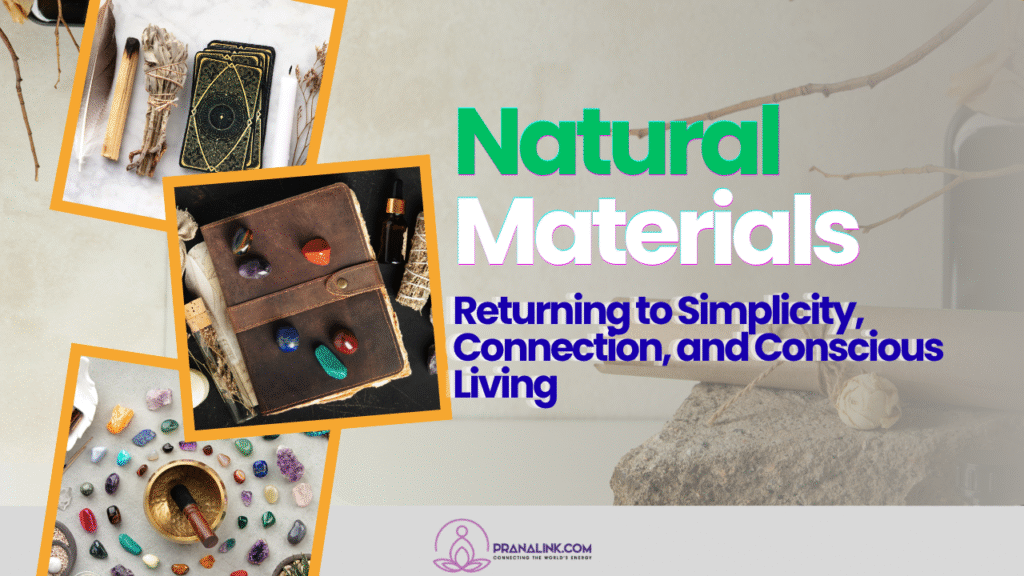
The movement towards natural materials in wellness is silently occurring. This progressive change is characterized by individuals being more conscious of what they embrace in their lives. People are reconsidering their daily decisions, what people wear, use and have around them to rest and heal. With this shift, the emphasis is going back to natural materials. Wood. Stone. Cotton. Clay. Materials that have been around since earlier times and will be around when the trends fade. This change is not about the nostalgia, but about search of authenticity.
Why Natural Materials Are Resonating Now
Natural materials are grounding and calming and create a connection that is real. In the contemporary life, these qualities are usually lacking. Instead of trying to draw attention, they assist you to be more present. This is why wellness tools and spaces are now characterized by natural materials and concern authentic experience over fast outcomes. In the case of Pranalink, we feel that this transition is more of a realignment than a fad.
What are natural materials?
Natural materials come from the earth, with minimal alteration. They preserve their original design and distinct character and are not over-engineered. This is meaningful. Your well-being is influenced by everyday things more than you can imagine.
Natural Materials in Practice.
As you begin to be conscious of what you are using, something subtle begins to shift, you find they all produce a different experience. An example is wood, which is grounded and steady. It is warm, durable, and can be found frequently in massage tools or rollers. Wood is reliable, as there is a certain quietness about it, as though it is there to hold you up, and not to stand in the way.
Stones and minerals have another type of presence altogether. They are thick, solid–almost anchoring. Placed purposefully in a room or utilized in the process of massage, they are more likely to create a feeling of calmness, like they’re holding a deeper, more ancient rhythm.
Next are plant-based fibers, such as cotton and bamboo, and other natural fabrics. These are the fabrics that remain in close contact with your body and you can experience the difference. They breathe, they become soft, they move with you. But more than comfort there is another thing that most people feel, and that is some lightness or coherence in their feeling. In frequency-based attitudes, natural plant fibers are typically regarded to possess a better, more harmonious resonance than highly processed synthetics- less interference, more flow. You can consider that as being energetic or merely being experiential, but the effect is the same: they are much more pleasant to live in.
Then there is clay. Clay is more primal, more direct. When applied to the self, it unites you to the earth in a very physical, tactile manner. It is not something that you apply but rather something that you interact with, a kind of a dialogue with the elements themselves.
No material is superior to the rest of these. As they just influence the experience of your wellness routine. And with time, even those little changes, in feel, in being, in even the slightest frequency, begin to affect your general state more than you might have guessed.
The Real Benefits
Natural materials are not cures, but they have actual advantages: a more moderate experience of the senses, a sense of reduced harshness and a greater connection with the body. Most of them are biodegradable or renewable, which promote conscious living. Most of them are biodegradable or renewable, which promote conscious living. When taken care of, natural tools are more durable and have a vintage appearance. Enjoy quieter, cleaner daily interactions with these objects. It is more about intention than perfection in adopting these materials.
Supporting a Holistic Lifestyle
It is not about what you do when it comes to holistic wellness. It is also about the environment that you surround yourself with. Natural materials assist to change the focus: From convenience → to presence.
From excess → to simplicity From distraction → to awareness They encourage you to slow down through their feel and function.
Making a Right Choice.
No material is the best. Select what suits your body, space and needs.
Use wellness tools that include:
- What does it feel like in your hand or on your body?
- The role it plays in your daily life.
- The artisanship quality.
- How simple it is to maintain.
In short, the correct decision is the one that turns into a consistent, pleasant aspect of your practice.
Clearing the Misconceptions
There are some things it is worth saying. Natural does not necessarily imply the better. The natural label is not sufficient to achieve better outcomes. The value of them is in the way they can fit into your life. There is also no such thing as all natural products are alike. It is all about source, craftsmanship, detail. The most important takeaway: You must make conscious decisions and not make assumptions thinking that all products of nature are the same.
The Direction This Is Moving
The trend towards the use of natural materials is still growing. Its meaning is expanding. With the rise in conscious living, sustainability, and conscious practices, the tools that people utilize will mirror these values. This view takes the view further than wellness itself. It is about living in harmony with what is right and with yourself.
Conclusion
Nature is not the answer to all. Instead, they offer support.
They assist in developing tranquility, presence, and the simplicity required.
You get back in touch with yourself in this environment.
The end result is the bond you create.
Frequently Asked Questions
- What are natural materials in wellness tools?
They are materials such as wood or plant fibers that facilitate relaxation, mindfulness and self-care.
- Are natural materials better than synthetic ones?
Not always. Value is based on quality, purpose and use.
- Why are they so popular?
They are in align with sustainability, simplicity, and conscious living.
- What is the appropriate material to use?
Look at comfort, purpose of use and workmanship over trends.
- Are they in need of special attention?
Yes–the primeval care, such as keeping them dry and clean, secures long life.